
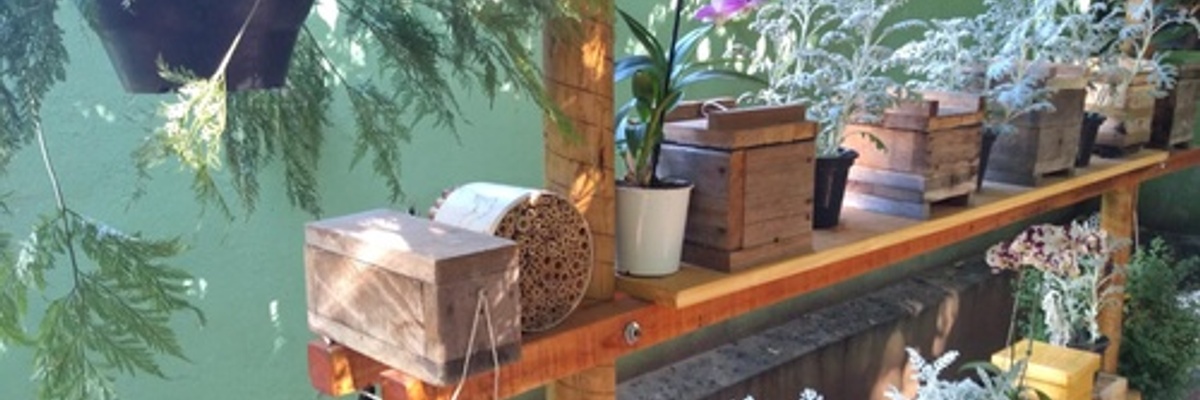

Transform your school into a living laboratory by establishing a meliponary—a safe habitat for native stingless bees that teaches students about biodiversity, pollination, and sustainability through hands-on environmental education.
"Discover the 5 steps to implementing Meliponário:" - Marcelo Jekupe

After the period of selection and approval of interested parties, the Meliponário opens in approximately 3 months. For 12 months, the project will receive bimonthly monitoring from the BZZ Abelhas Nativas team.
Submit Application
Register your institution by presenting your current environmental and sustainability initiatives. Explain your ongoing projects and provide detailed justification for establishing a meliponary at your location. Include information about your team's commitment and available space.
Applications undergo evaluation based on structural conditions, engaged teams, environmental project scope, and implementation justification.
Priority goes to institutions with established environmental programmes and demonstrated longevity in sustainability efforts.
Technical Assessment
Await selection results and technical site visit from BZZ Abelhas Nativas consultants. During this assessment, experts evaluate your physical space requirements, structural conditions, and adaptation needs.
They ensure the location provides adequate protection from high-traffic areas, sports activities, and unauthorised access whilst maintaining visibility for supervision.
The team confirms your institution's readiness and identifies any necessary modifications before implementation begins
Community Training
Participate in comprehensive training workshops covering meliponiculture basics, bee behaviour, and safety protocols. All community members—teachers, students, and staff—receive guidance through lectures and hands-on workshops.
Learn about native stingless bee biology, their ecological importance, and proper handling techniques. This phase builds confidence and knowledge necessary for successful meliponary management whilst establishing your team's technical foundation.
Meliponary Installation
Collaborate with local volunteers and technical experts to assemble the meliponary infrastructure. Install wooden bee boxes designed specifically for native stingless bees, ensuring proper positioning and environmental conditions.
Complete regulatory documentation and obtain necessary permits from state bodies. The technical team introduces bee colonies to their new habitat, officially inaugurating your educational meliponary as a functioning outdoor laboratory.
Ongoing Management
Implement regular monitoring routines with bimonthly support from BZZ Abelhas Nativas technical team. Develop institutional autonomy in bee care, educational programming, and community engagement activities.
Integrate meliponary observations into curriculum across multiple subjects. Host visits from parents, community members, and other educational institutions to expand the project's impact.
Maintain detailed records of bee health, educational outcomes, and community engagement throughout the 12-month support period.