Transform your local area into a thriving habitat for bees and pollinators through simple, community-led actions that reduce mowing, plant native flowers, and create nesting spaces
The All-Ireland Pollinator Plan was created by Dr. Úna FitzPatrick from the National Biodiversity Data Centre and Prof. Jane Stout from Trinity College Dublin, who witnessed firsthand the decline of pollinator populations since the 1980s. Published in 2015, Ireland became one of the first European countries to address pollinator decline systematically.
The initiative now supports over 270 businesses, 24 partner councils, and thousands of volunteers across schools and communities. Its success has inspired similar strategies in other countries. The Actions for Pollinators mapping system allows communities to log their contributions and track collective impact.
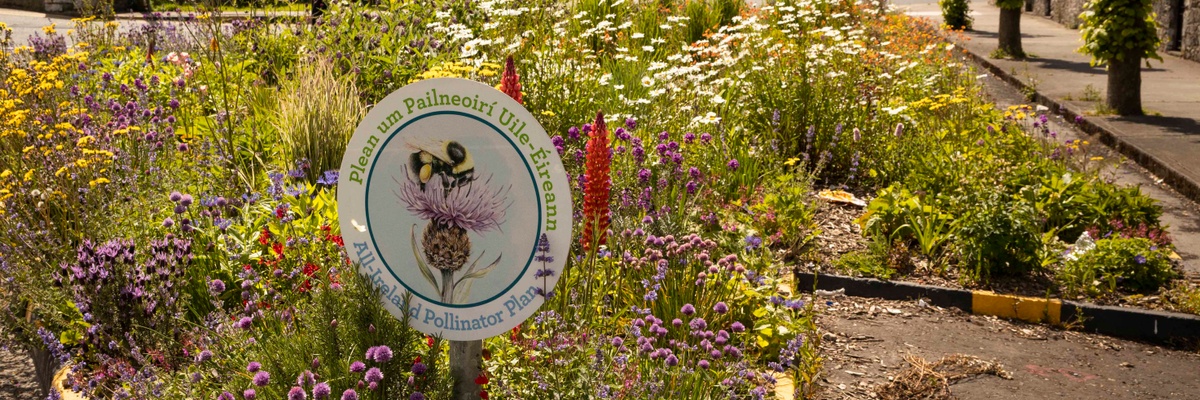
Research shows that simple changes make significant differences. Allowing dandelions to bloom provides vital spring nutrition for emerging bees. Six-week mowing rotations enable clovers and bird's-foot trefoil to flower, supporting pollinators where short grass cannot. Native hedgerows containing hazel, willow, blackthorn, and hawthorn provide seasonal food sources, whilst bramble and ivy extend flowering periods.
The plan emphasises that many popular garden plants like daffodils, tulips, petunias, and begonias offer little pollinator value, whilst native alternatives provide essential pollen and nectar. Success stories from communities like Geashill Tidy Towns demonstrate how residents can achieve both aesthetic appeal and biodiversity benefits through informed plant choices and modified maintenance practices.
How to get involved
Time:
3–6 hours a week. You'll need to find an existing pollinator habitat to research and gather your tools to maintain it.




Links