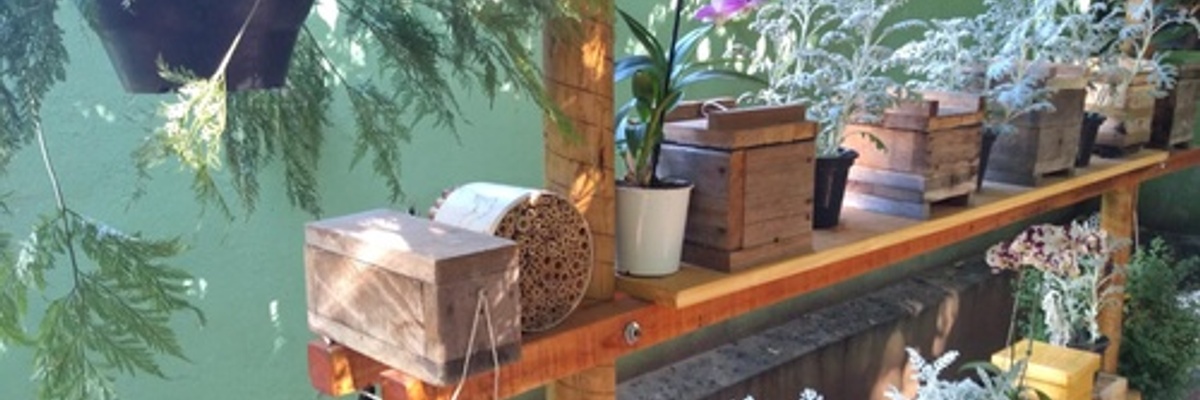
Transform your school into a living laboratory by establishing a meliponary—a safe habitat for native stingless bees that teaches students about biodiversity, pollination, and sustainability through hands-on environmental education.
Native stingless bees pollinate approximately 90% of Atlantic Forest vegetation, making them crucial environmental indicators and biodiversity champions. Unlike honeybees, these species are gentle and safe for educational settings, requiring no protective equipment for observation.
The BZZ Abelhas Nativas programme provides 12 months of bimonthly technical support, ensuring bee health and developing institutional autonomy. Implementation typically takes three months from approval to opening, with the entire process completed within 18 months.
Meliponiculture—the rational breeding of Meliponini tribe bees—offers unique educational opportunities. Students observe complex social structures, symbiotic relationships, and ecological interactions that stimulate curiosity and research across all knowledge areas.
The initiative encourages community engagement through parent visits and inter-school exchanges, expanding the project's educational reach. Institutions develop comprehensive environmental programmes, often leading to broader sustainability initiatives including native plant cultivation and habitat restoration.
Selection prioritises institutions with existing environmental projects, considering project longevity and implementation justification. Successful applicants demonstrate structural readiness, dedicated teams, and commitment to long-term bee stewardship.
How to get involved
Time:
After the period of selection and approval of interested parties, the Meliponário opens in approximately 3 months.
For 12 months, the project will receive bimonthly monitoring from the BZZ Abelhas Nativas team.





Links